
Cross-Border Moving · 12 min read
What Movers Cannot Move Across the Canada–U.S. Border
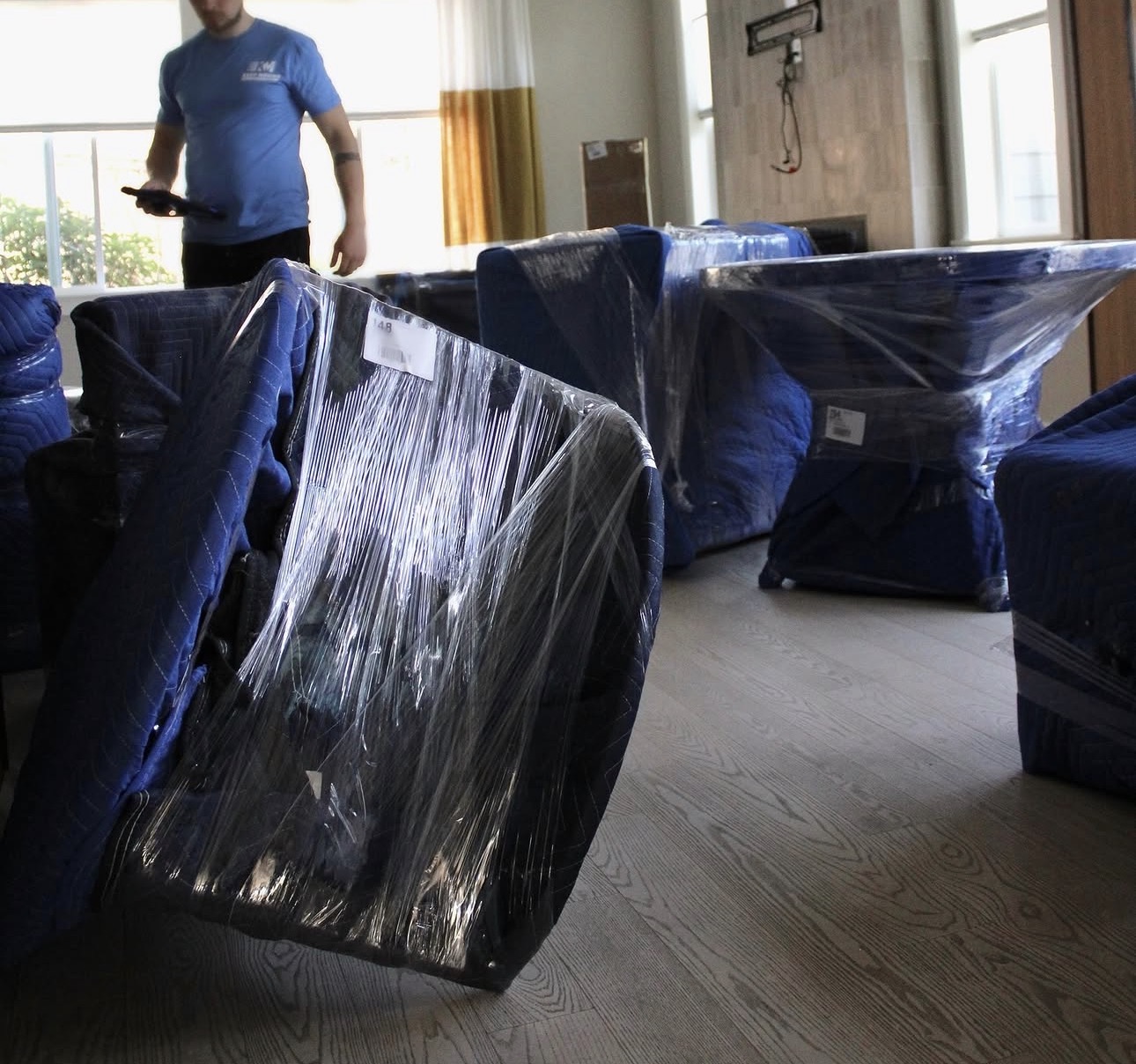
Moving between Canada and the United States involves more than packing your belongings and loading a moving truck. Because your household goods are crossing an international border, both Canadian and U.S. customs requirements may apply. Certain belongings may be prohibited, restricted, require permits or documentation, or may simply be unsuitable for transportation by a household goods moving company. Whether you're moving from Canada to the United States or from the United States to Canada, knowing what should not go onto the moving truck can help prevent delays at the border.
Not Everything in Your Home Should Go on the Moving Truck
Most ordinary household belongings can generally be transported as part of a properly documented household goods move. Examples can include furniture, clothing, books, kitchenware, electronics, artwork and other personal belongings. However, regulated, hazardous, perishable or restricted items require additional attention. Before packing for a cross-border move, separate anything that could potentially create a customs or transportation issue.
1. Food
Food is one of the most complicated categories when crossing an international border.
- The type of food
- Ingredients
- Country of origin
- Whether it contains meat or animal products
- Whether it is fresh or processed
- Current agricultural or disease-related restrictions
- Which country the goods are entering
Our Recommendation on Food
For a household move, avoid packing perishable foods and minimize pantry items being transported internationally. Before bringing any food across the border, verify that it is permitted by the customs and agricultural authorities of the destination country. For example, fresh produce, meat products and certain other agricultural goods can face significant restrictions.
2. Plants, Soil and Agricultural Products
Houseplants may seem like ordinary household belongings, but plants and soil can carry insects, pests and plant diseases. Plants, seeds, soil, firewood and other agricultural products may be prohibited or subject to specific import requirements. Do not load plants onto a cross-border moving truck without first confirming that they are admissible at the destination. For many customers, giving plants to friends or family before an international move is considerably easier than attempting to transport them across the border.
3. Firearms, Ammunition and Weapons
Firearms and weapons are heavily regulated when crossing the Canada–U.S. border. Depending on the type of firearm, direction of travel and circumstances, permits, licences, declarations and other government requirements may apply. Certain weapons may be prohibited entirely.
- Do not pack firearms, ammunition or weapons as part of your standard household goods shipment.
- Customers are responsible for making separate arrangements for regulated firearms or weapons in accordance with applicable Canadian and U.S. laws.
- Never place an undeclared firearm or ammunition inside a moving box.
4. Explosives and Fireworks
Explosives, fireworks and similar materials should not be packed with your household goods. These materials can present both transportation and border-compliance risks. Leave them out of your household goods shipment.
- Fireworks
- Flares
- Explosive materials
- Certain ammunition
- Other explosive or highly reactive products
5. Flammable and Hazardous Materials
Many common household products can become hazardous when transported inside a moving truck. Even if a product is legal to own, that does not automatically mean it is appropriate for transportation inside a household goods moving truck. Before moving day, dispose of hazardous materials safely according to local requirements.
- Gasoline
- Propane
- Butane
- Lighter fluid
- Paint thinner
- Certain solvents
- Some automotive fluids
- Flammable chemicals
- Certain pesticides
- Compressed gas cylinders
6. Propane Tanks and Fuel Containers
Do not pack propane tanks or containers holding gasoline or other fuels. This includes propane cylinders commonly used for barbecues, patio heaters and camping equipment. Fuel-powered equipment should also be discussed with your moving company before moving day. If equipment is accepted for transportation, the mover may require fuel to be removed and other preparation to be completed beforehand.
7. Cannabis and Cannabis Products
Do not pack cannabis for an international move. The fact that cannabis may be legal under Canadian law or permitted under certain state laws does not mean it can legally be transported across an international border. This includes cannabis products and products containing regulated amounts of cannabis or THC. Leave these products out of your cross-border shipment.
8. Alcohol
Alcohol is regulated at the border. Different rules, exemptions, duties, taxes, quantity limits and provincial or state requirements may apply depending on the direction of the move and the customer's circumstances.
- Customers should not include alcohol in their household goods shipment unless it has been specifically disclosed and confirmed as acceptable before moving day.
- If you have a wine collection, liquor collection or other significant quantity of alcohol, tell your moving company before your move.
- Do not simply pack bottles inside boxes without disclosing them.
9. Prescription Medications and Health Products
Medication can be subject to import requirements, particularly controlled medications and certain health products. More importantly, essential medication should never be packed deep inside a moving truck where you may not have access to it for an extended period.
- Prescription medication
- Essential medical supplies
- Important health documents
- Medication needed during travel
10. Cleaning Products and Household Chemicals
Many household cleaning products are inexpensive to replace and can create unnecessary transportation issues. Depending on their ingredients, products may be flammable, corrosive, pressurized or otherwise hazardous. Rather than packing an entire cabinet of household chemicals, consider safely disposing of or giving away appropriate products before your move and purchasing replacements after arrival.
- Bleach
- Strong chemicals
- Certain drain cleaners
- Solvents
- Aerosols
- Pool chemicals
- Certain pesticides
11. Perishable and Frozen Food
Frozen and refrigerated food should generally not be placed on a long-distance cross-border moving truck. Even apart from customs requirements, a standard household moving truck is not a refrigerated vehicle. Meat, dairy products, frozen meals and other temperature-sensitive goods may spoil during transportation or border delays. Use or dispose of these items before moving day.
12. Items Contaminated With Soil
Outdoor equipment can sometimes carry soil, plant material or organic debris. Before packing items such as gardening equipment, outdoor tools, patio equipment, bicycles and camping equipment, clean them thoroughly. Agricultural authorities take soil and biological contamination seriously because they can carry invasive pests or diseases.
13. Firewood
Do not assume leftover firewood can travel with your household belongings. Firewood can carry invasive insects and plant diseases and is subject to agricultural restrictions. It is generally much easier to leave firewood behind and purchase new firewood at your destination.
14. Cash, Jewellery and Important Documents
Some belongings aren't necessarily prohibited from crossing the border, but they should not be placed on a moving truck. Keep high-value and irreplaceable personal items with you whenever practical.
- Passports
- Immigration documents
- Birth certificates
- Marriage certificates
- Citizenship documents
- Financial documents
- Cash
- Jewellery
- Prescription medication
- Important keys
- Small high-value personal items
15. Pets and Live Animals
Pets are not household goods. Dogs, cats and other animals have their own border-entry and health requirements and should travel separately under arrangements made by their owners. Do not expect a household goods moving truck to transport a pet across the border.
What About Normal Household Furniture?
Ordinary used household belongings are very different from the restricted categories above. Depending on the customer's circumstances and applicable customs requirements, household goods may include furniture, clothing, books, kitchenware, electronics, artwork, linens and personal belongings. However, customs authorities ultimately determine whether goods may enter the destination country and what documentation, duties or taxes may apply.
Used vs. Newly Purchased Household Goods
Don't assume that newly purchased merchandise will receive the same customs treatment as used household effects. Customs rules can distinguish between personal household effects that have already been owned and used and newly purchased goods. If you recently purchased expensive furniture, electronics, appliances or other items, keep your receipts and disclose the items when preparing your customs documentation.
Commercial Goods Are Different
A household goods shipment should not be used to quietly transport commercial merchandise across the border. If you're transporting business inventory, merchandise for resale, commercial equipment, products for customers or large quantities of new goods, tell your moving company before the move. Commercial goods can be subject to different customs, documentation and transportation requirements.
Do You Need an Inventory?
Cross-border moves generally require more detailed documentation than local moves. Prepare a clear inventory of the belongings being transported and follow the documentation requirements applicable to the country you're entering. Do not intentionally hide or misdescribe belongings. If customs asks about an item, the information provided should accurately reflect what is inside the shipment.
Canada → U.S. and U.S. → Canada Rules Are Not Identical
This is important. Moving Toronto → New York is not governed by exactly the same import requirements as moving New York → Toronto. For Canada-bound shipments, Canadian requirements apply. For U.S.-bound shipments, U.S. requirements apply. The customer's immigration or residency status, type of goods and intended use of those goods can also affect customs treatment. That's why customers should verify current requirements for their specific relocation rather than relying on a generic prohibited-items list found online.
Before Your Cross-Border Move
Before moving day, complete the following preparation checklist:
- Prepare an accurate household goods inventory
- Remove food that may be restricted
- Remove plants and soil unless admissibility has been confirmed
- Do not pack firearms or ammunition
- Remove propane, gasoline and other fuels
- Remove hazardous or flammable chemicals
- Do not pack cannabis
- Disclose alcohol before moving day
- Keep medications with you
- Keep passports and immigration documents with you
- Keep cash and jewellery with you
- Clean outdoor equipment
- Disclose newly purchased or commercial goods
- Confirm current customs requirements
Who Makes the Final Decision at the Border?
Your moving company transports your belongings, but it does not determine whether an item is legally admissible into Canada or the United States. Border and customs authorities make those decisions. Rules can also change, particularly for agricultural products, food, health products and other regulated goods. For current requirements, customers should verify information directly with the Canada Border Services Agency (CBSA) for goods entering Canada and U.S. Customs and Border Protection (CBP) for goods entering the United States. Other agencies may also regulate specific goods.
Cross-Border Moving With Keep Moving
Keep Moving provides cross-border household and commercial moving services between Toronto, the GTA and selected destinations in the United States, as well as U.S.-to-Canada relocations, subject to route and scheduling availability. Popular routes may include Toronto ↔ Buffalo, Toronto ↔ Rochester, Toronto ↔ Syracuse, Toronto ↔ Detroit, Toronto ↔ Cleveland, Toronto ↔ Pittsburgh, Toronto ↔ New York City, Toronto ↔ Philadelphia and Toronto ↔ Chicago. If you're unsure whether something can be transported, tell us about the item before moving day.
Planning a Canada–U.S. Cross-Border Move?
Provide your pickup location, destination, moving date and approximate household inventory when requesting your estimate. If your shipment contains unusual, regulated, oversized or specialty items, disclose them when requesting your quote so they can be reviewed before your move. Important: This article provides general moving information and is not legal or customs advice. Import and export requirements can change. Customers are responsible for confirming current requirements with the applicable Canadian and U.S. government authorities before crossing the border.