
Cross-Border Moving · 14 min read
How to Prepare Household Goods for a Canada–U.S. Move
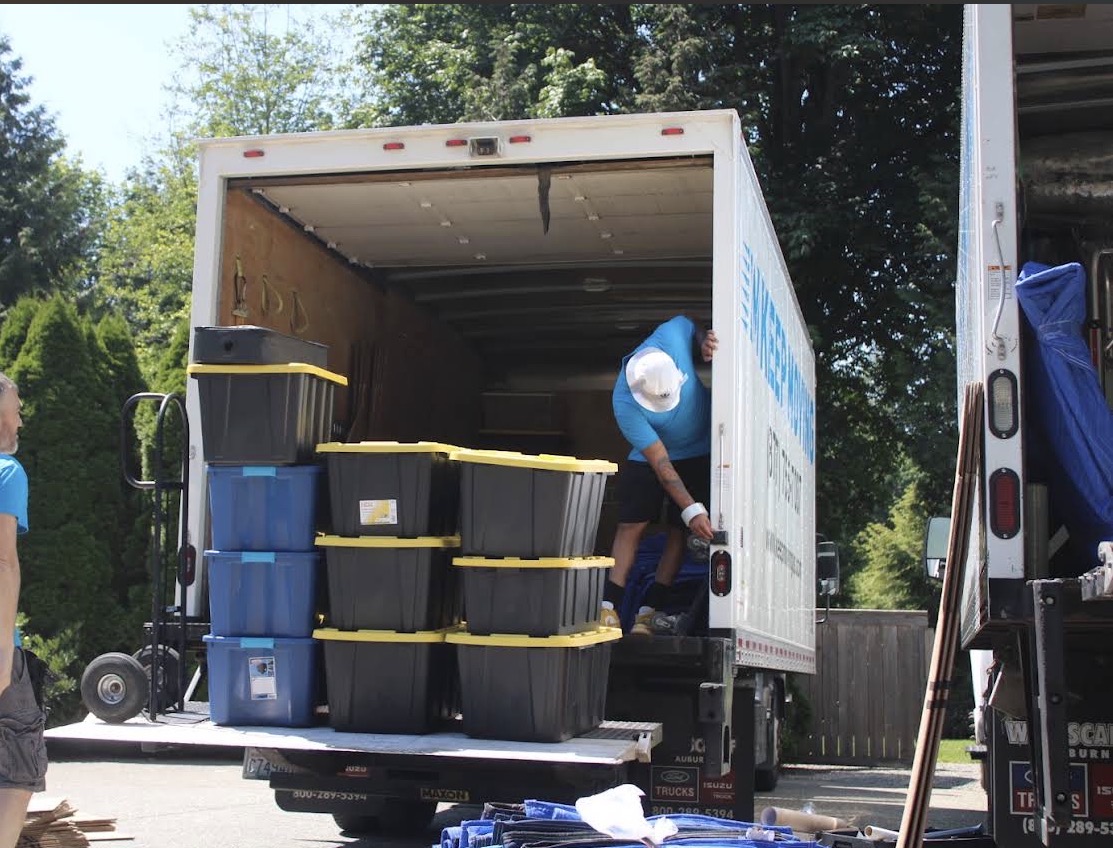
Moving household goods between Canada and the United States requires more preparation than a typical local or domestic long-distance move. In addition to packing furniture and boxes, you need to think about customs documentation, household goods inventories, restricted items and border requirements. Whether you're moving from Canada to the United States or from the United States to Canada, organizing your shipment before moving day can help reduce delays and make the transportation process more efficient. Here is how to prepare your household goods for a Canada–U.S. cross-border move.
1. Start With a Complete Household Inventory
Before you begin packing, create an inventory of the belongings you plan to move. This serves two purposes: it helps you understand the size of your shipment when requesting a moving estimate, and an inventory may be required or useful as part of the customs process. Organize your belongings by room or category.
- Living Room: sofa, coffee table, television, two chairs, floor lamp, books
- Primary Bedroom: king mattress, bed frame, two nightstands, dresser, clothing
- Kitchen: dining table, four chairs, dishes, cookware, small appliances, kitchenware
- Office: desk, office chair, computer equipment, books, filing cabinet
- Garage: tools, bicycles, storage containers, outdoor equipment
2. Decide What Is Actually Worth Moving
An international move is a good opportunity to reduce the amount of unnecessary belongings you're transporting. Before packing, separate items into four categories: MOVE, SELL, DONATE, and DISPOSE. Ask yourself whether it makes sense to transport inexpensive, damaged or rarely used belongings hundreds of kilometres and across an international border. Reducing the shipment can also make packing, loading and delivery easier.
3. Separate Items That May Be Restricted
Don't pack your entire home first and worry about customs later. Before packing, identify belongings that may be prohibited, restricted or subject to special requirements.
- Food
- Plants
- Soil
- Firewood
- Alcohol
- Firearms
- Ammunition
- Certain medications
- Agricultural products
- Cannabis products
- Hazardous materials
4. Remove Hazardous Materials
Many products commonly stored in garages, kitchens and utility rooms aren't appropriate for a household moving truck.
- Gasoline
- Propane tanks
- Butane
- Fireworks
- Lighter fluid
- Paint thinner
- Certain solvents
- Flammable chemicals
- Certain pesticides
- Other hazardous materials
5. Be Careful With Food
Food can create unnecessary complications during a cross-border move. Fresh produce, meat, animal products, seeds and other agricultural goods can be subject to restrictions that vary based on the product, origin and current government requirements. For a household move, one of the simplest approaches is to use up, donate or appropriately dispose of unnecessary food before moving day. Avoid transporting refrigerated or frozen food in a standard household moving truck — a household moving truck isn't a refrigerated vehicle, and border or transportation delays can make perishable food particularly impractical.
6. Think Carefully Before Moving Plants
Plants can be more complicated internationally than they are during a local move. Plants, soil, seeds and other agricultural products can be regulated because they may carry pests or plant diseases. If you have houseplants you want to bring with you, verify the destination country's current requirements before including them in your shipment. Do not assume that an ordinary houseplant can automatically cross the border simply because it belongs to you.
7. Identify Newly Purchased Items
Customs authorities may treat qualifying used household effects differently from newly purchased merchandise. Before your move, identify belongings you've purchased recently — for example, furniture, televisions, computers, appliances, artwork, and exercise equipment. Keep receipts or other purchase records for significant recent purchases when appropriate. Never describe a new item as used simply to obtain different customs treatment.
8. Separate Personal Goods From Commercial Goods
If this is a household move, make sure you distinguish your personal belongings from business inventory or commercial merchandise. Commercial goods can be subject to different customs and documentation requirements. Tell your moving company in advance if your shipment contains business inventory, products for resale, commercial equipment, customer merchandise, or large quantities of new products. Do not assume these items can simply be included with personal household effects.
9. Pack Room by Room
Once you've removed items that should not be transported, begin packing systematically. Packing room by room makes it easier to create an organized inventory and simplifies unloading. Instead of boxes labeled only MISCELLANEOUS, use descriptions such as KITCHEN — DISHES, PRIMARY BEDROOM — CLOTHING, LIVING ROOM — BOOKS, OFFICE — FILES, and GARAGE — TOOLS. Clear labeling helps both during transportation and when your belongings arrive at your new home.
10. Use Appropriate Moving Boxes
Long-distance cross-border transportation can involve considerably more handling than moving a few blocks away. Use sturdy moving boxes that can be properly closed and stacked. Avoid overloading large boxes with heavy belongings. As a general packing strategy: small boxes for books and heavier items, medium boxes for kitchenware and general household goods, large boxes for lightweight bulky belongings, and wardrobe boxes for hanging clothing. Fragile items should receive additional protection.
11. Protect Fragile Belongings
Cross-border shipments should be packed for long-distance transportation. Fragile belongings can include dishes, glassware, mirrors, artwork, televisions, electronics, lamps, and decorative objects. Use appropriate packing materials and avoid leaving empty space that allows fragile items to move freely inside boxes. If you're uncomfortable packing valuable or fragile belongings yourself, ask about professional packing services.
12. Prepare Furniture for Transportation
Furniture also needs preparation. Depending on the item, preparation may include removing loose components, emptying drawers when required, securing doors, removing shelves, disassembling certain furniture, and protecting finished surfaces. Large items such as bed frames, tables and sectionals may need to be disassembled for safe transportation. Tell your mover about complicated or oversized furniture before moving day.
13. Photograph Valuable or Fragile Items
Before packing higher-value furniture, artwork, electronics or fragile belongings, consider taking photographs showing their condition. Keep those photographs with your moving records. It is also a good idea to maintain copies of important receipts, inventories and moving documents.
14. Don't Pack Your Passport
Some things should stay with you. Do not put essential documents or immediate necessities deep inside your household shipment. Keep important items accessible, including passports, immigration documents, birth certificates, marriage certificates, citizenship documents, employment documents, prescription medication, important financial documents, keys, phones and chargers, and cash and jewellery. You may need some of these documents while travelling or during the border process.
15. Prepare Your Customs Documentation Before Moving Day
Do not wait until the moving truck is loaded to begin thinking about customs paperwork. The documentation required depends on which country you're entering, your personal circumstances, your immigration or residency situation, whether the goods accompany you or arrive separately, and what you're importing. For U.S.-bound household effects, U.S. Customs and Border Protection documentation may apply. For Canada-bound household effects, Canada Border Services Agency requirements apply. Your moving company can coordinate the transportation portion of the move, but customs authorities determine admissibility and documentation requirements.
16. Canada → U.S. Moves
If you're moving household goods from Canada into the United States, confirm current requirements with U.S. Customs and Border Protection (CBP). For certain unaccompanied household goods shipments, CBP Form 3299 — Declaration for Free Entry of Unaccompanied Articles may be part of the process. The form and applicable customs rules distinguish between different categories of belongings, so customers should determine which requirements apply to their particular situation before the shipment arrives at the border.
17. U.S. → Canada Moves
If you're moving from the United States into Canada, the process is different. People moving or returning to Canada may need to provide detailed information about the personal and household goods they're bringing with them, including goods arriving later. Canada's process may involve preparing separate information for goods accompanying you and goods to follow. Confirm the current requirements with the Canada Border Services Agency (CBSA) before your move.
18. Make Copies of Important Documents
Keep your cross-border moving documentation organized in one folder. Consider maintaining both paper and electronic copies where appropriate. Your folder may include your household inventory, moving estimate/contract, customs forms, identification, immigration or residency documents, receipts for significant recent purchases, and moving company contact information. Do not pack this folder in the moving truck.
19. Prepare Your Pickup Property
Your belongings aren't the only thing that needs preparation. Make sure the moving crew can access your home efficiently. For a house, consider driveway access, street parking, stairs, basement belongings, and garage items. For a condo, confirm service elevator reservation, loading dock access, moving hours, truck parking, and building insurance requirements. Give this information to your moving company before moving day.
20. Prepare the Destination Too
Don't focus exclusively on pickup. Your movers also need to unload your belongings at the destination. If you're moving into a condo or apartment in the United States or Canada, contact building management before delivery. Confirm elevator reservation, loading area, parking, permitted delivery hours, insurance documentation, and building access. For a house, make sure the truck has appropriate access and let your movers know about stairs, narrow entrances or other restrictions.
21. Prepare an Essentials Bag
Your household goods may not always be immediately accessible during an international relocation. Pack an essentials bag or suitcase containing what you'll need during travel and immediately after arrival. Consider including clothing, toiletries, medication, phone chargers, important documents, basic items for children, and pet necessities. Keep this with you rather than putting it onto the moving truck.
22. Complete a Final Walk-Through
Before the moving truck leaves, check closets, cabinets, drawers, basement, garage, storage locker, balcony, patio, and shed. Small storage areas are easy to overlook. For condo moves, don't forget storage lockers and parking-level storage areas.
Cross-Border Household Goods Preparation Checklist
Before moving day, complete the following checklist:
- Create a complete household inventory
- Decide what you're moving, selling, donating or disposing of
- Identify restricted or regulated goods
- Remove hazardous materials
- Review food and agricultural products
- Verify requirements for plants and soil
- Identify newly purchased goods
- Separate commercial goods from personal belongings
- Pack and label boxes by room
- Protect fragile belongings
- Prepare furniture
- Photograph valuable or fragile items
- Keep passports and documents with you
- Complete applicable customs documentation
- Keep copies of your moving records
- Confirm pickup access
- Confirm destination access
- Reserve elevators where required
- Prepare an essentials bag
- Complete a final property walk-through
Don't Seal Questionable Items Into Boxes
If you're unsure whether an item can cross the border, deal with the question before moving day. Don't hide it inside a box and hope it isn't noticed. Tell your moving company about unusual items and confirm legal admissibility with the appropriate government authority. Accurate preparation can help reduce unnecessary problems when your household shipment reaches the border.
Cross-Border Moving With Keep Moving
Keep Moving provides cross-border moving services between Toronto, Ontario and selected destinations throughout the United States, as well as U.S.-to-Canada relocations, subject to route, shipment and scheduling availability. Popular routes may include Toronto ↔ Buffalo, Toronto ↔ Rochester, Toronto ↔ Syracuse, Toronto ↔ Detroit, Toronto ↔ Cleveland, Toronto ↔ Pittsburgh, Toronto ↔ New York City, Toronto ↔ Philadelphia, and Toronto ↔ Chicago. Depending on your moving requirements, services may include residential moving, commercial moving, long-distance moving, cross-border transportation, packing services, furniture protection, furniture disassembly and reassembly, and loading and unloading.
Planning a Canada–U.S. Move?
Tell us your pickup location, destination, moving date and approximate shipment size. If you need packing services or have heavy, oversized, fragile or unusual belongings, disclose them when requesting your quote. The earlier we understand the requirements of your shipment, the better the transportation portion of your cross-border move can be planned. Important: This article provides general moving information and is not legal, immigration or customs advice. Import and export requirements can change and vary according to the direction of travel, individual circumstances and goods being transported. Customers are responsible for confirming current requirements with the appropriate Canadian and U.S. government authorities.