
Local Moving · 11 min read
Moving from a House vs. a Condo in Toronto: What Changes?
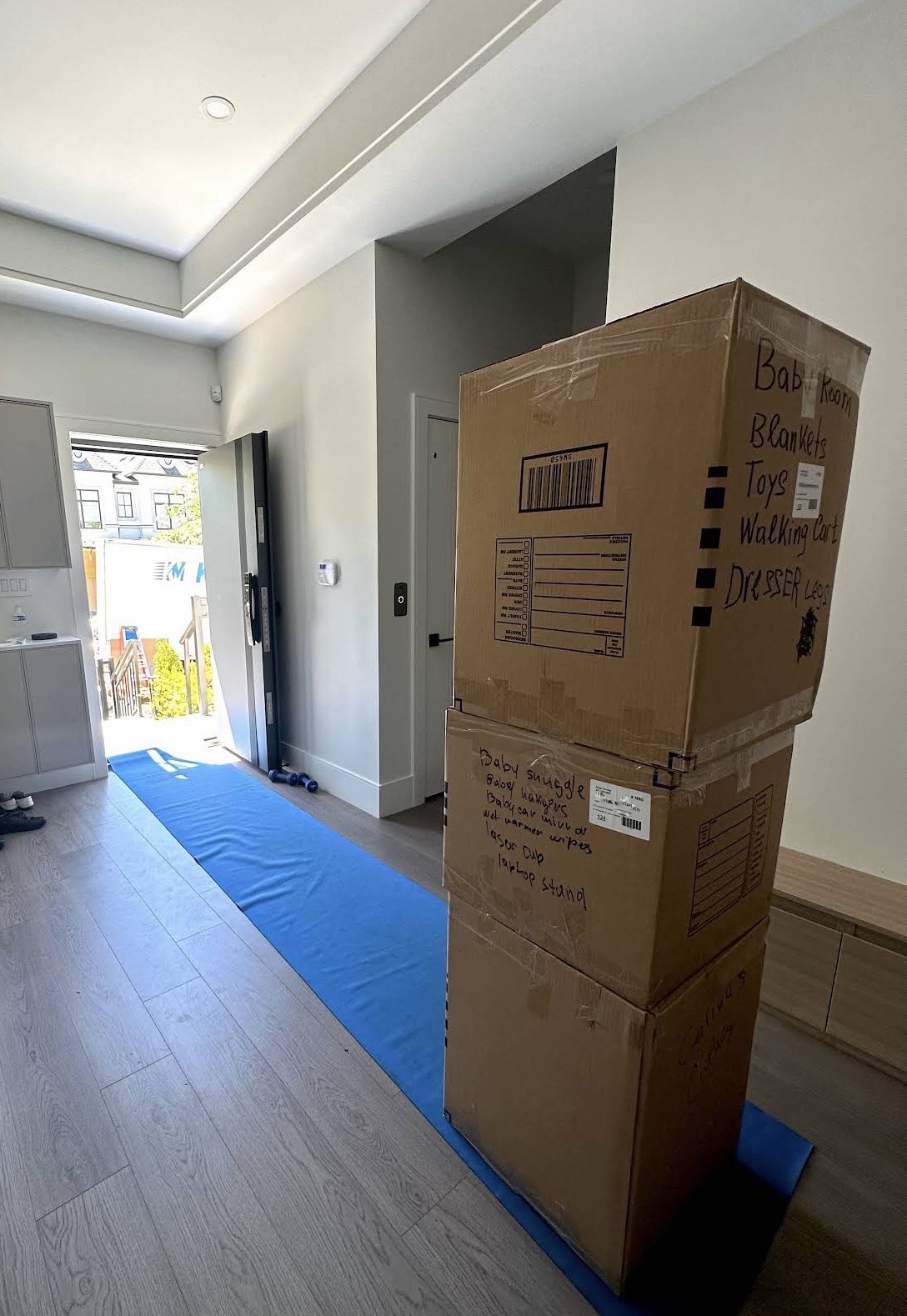
Moving a two-bedroom condo and moving a two-bedroom house may sound similar, but the logistics can be completely different. In a house, movers can often park relatively close to the property and carry belongings directly between the home and the moving truck. In a Toronto condo, the same furniture may need to travel through hallways, elevators, loading docks, security areas and underground garages before it ever reaches the truck. Whether you're moving from a house to a condo, condo to house, or between two condos, understanding these differences can help you plan your move more accurately.
House vs. Condo Moving: The Biggest Differences
The main differences usually come down to access, elevators, parking, stairs, walking distance, building restrictions, moving hours, furniture dimensions, and loading and unloading time. The amount of furniture matters, but the path between your belongings and the moving truck matters too.
- Access
- Elevators
- Parking
- Stairs
- Walking distance
- Building restrictions
- Moving hours
- Furniture dimensions
- Loading and unloading time
Moving From a House
House moves often provide more flexibility. Depending on the property, the moving truck may be able to park in a driveway or relatively close to the entrance. This can create a more direct route: Home → Front Door → Moving Truck. However, not every house move is simple. Movers still need to know about stairs, basement furniture, narrow doorways, steep driveways, limited street parking, rear entrances, long driveways, large or heavy furniture, and items stored in garages or sheds. Tell your moving company about these conditions when requesting your estimate.
Moving From a Condo
A condo move usually adds another layer of coordination. Instead of carrying furniture directly to the truck, movers may need to follow a route such as: Unit → Hallway → Service Elevator → Service Corridor → Loading Dock → Moving Truck. The reverse applies when moving into the building. Every additional access point can affect how the move is organized.
1. Elevator Reservations
This is one of the biggest differences between a house and a condo move. A house doesn't require you to reserve an elevator. Many Toronto condo buildings, however, require residents to reserve a service elevator for move-ins and move-outs. The building may provide a specific time window during which your move must take place. If you're moving between two condos, you may need one elevator reservation for your move-out and another for your move-in. Provide both reservation times to your moving company before moving day.
2. Moving Truck Parking
Parking affects both house and condo moves, but in different ways.
- House moves: a private driveway, street parking, garage access, or space close to the entrance
- The closer the truck can safely and legally park to the house, the shorter the carrying distance may be
- Condo moves: a loading dock, designated loading area, underground garage, service entrance, or approved street loading location
- Some loading areas also have vehicle-size or clearance restrictions
- Confirm parking and loading arrangements before moving day and provide that information to your mover
3. Walking Distance to the Truck
This is an often-overlooked difference. Imagine two customers who each have approximately the same amount of furniture. At the first property, the truck can park a short distance from the front door. At the second, movers must travel from the condo unit to the elevator, down to the loading level, through a service corridor and across a loading area. The inventory may be similar, but the amount of handling required is different. When requesting your quote, tell your mover about any long carries or complicated access routes.
4. Stairs
Houses often have more interior stairs than condos. Furniture may need to be moved from basements, second floors, third floors, garages, and split-level areas. Large furniture can be particularly challenging when staircases have tight turns. Condos may have fewer stairs inside the unit, but elevators and common-area restrictions introduce different challenges. Tell your moving company how many flights of stairs are involved at both locations.
5. Building Rules
This is where condo moves differ significantly. A detached house generally doesn't have a property manager controlling when movers can enter the property. A condo building may have rules covering moving hours, elevator reservations, loading dock access, moving truck parking, common-area protection, security check-in, insurance documentation, and deposits or fees. Building requirements vary by property. Contact management before moving day and send any requirements that affect the moving company to your mover.
6. Moving Hours
With a house move, you generally have greater flexibility when scheduling access to the property, subject to your possession, lease and local restrictions. A condo may have a defined moving window. For example, your building may only permit moves during particular days or hours. That means the moving crew may need to complete loading or unloading within the time assigned by management. Confirm permitted moving hours before finalizing your moving schedule.
7. Furniture Size Matters More in a Condo
Large furniture that fits easily through a house entrance may not fit inside a condo elevator. Before moving oversized items, consider the dimensions of service elevators, hallways, unit entrances, and loading-area doors. Items that deserve particular attention include sectional sofas, king-size bed frames, large dining tables, oversized cabinets, exercise equipment, large desks, and artwork and mirrors. Some furniture may need to be disassembled before transportation.
8. Storage Areas Are Different
When moving a house, don't forget belongings stored outside the primary living areas. This can include garage items, basement storage, sheds, patio furniture, and garden equipment. Condo residents may instead have storage lockers, bicycle rooms, parking-level storage, and balcony furniture. Tell your moving company about these areas when providing your inventory — a storage locker full of belongings can substantially increase the amount being moved.
9. Packing Can Be Different
The basic principles of packing are the same, but space can affect how you prepare. A house may provide more room to stage packed boxes in a garage, spare bedroom or other area. In a condo, floor space can be limited, and too many boxes stacked around hallways and entrances can make it difficult for movers to work efficiently. Try to keep a clear pathway between your belongings and the unit entrance. Boxes should be sealed, labeled and ready before the crew arrives unless you've booked professional packing services.
10. Moving From a House Into a Condo
If you're downsizing from a Toronto-area house into a condo, think carefully about how much furniture will fit in your new home. Before moving day, measure your largest furniture, measure important doorways, check elevator dimensions, review your new floor plan, decide what furniture you're keeping, donate or dispose of unwanted belongings, reserve the elevator, and confirm loading access. Don't pay to transport furniture that you already know won't fit in your new condo.
11. Moving From a Condo Into a House
Moving from a condo into a house removes many building-related restrictions at the destination, but it introduces new considerations. Tell your movers where the truck can park, which entrance should be used, which furniture belongs upstairs or downstairs, whether there is basement access, whether there are narrow staircases, and whether anything needs to go into the garage. Clearly labeled boxes can make unloading considerably easier — for example, PRIMARY BEDROOM — SECOND FLOOR, OFFICE — MAIN FLOOR, STORAGE — BASEMENT, GARAGE. This helps the crew place belongings in the correct areas the first time.
12. Moving Between Two Condos
A condo-to-condo move usually requires the most building coordination. You may need to manage two elevator reservations, two loading areas, two parking arrangements, and two sets of building rules. Try to coordinate your elevator times so there is sufficient time for loading, travel and unloading. Provide both buildings' information to your moving company before moving day.
Does a Condo Move Take Longer Than a House Move?
Not necessarily. Every move is different. A small condo with convenient loading-dock access and an available service elevator can be very efficient. A house with three floors, a basement, difficult parking and large furniture may take considerably longer. The important factor isn't simply whether you live in a house or condo — it is the combination of inventory, access, distance, crew, building requirements, and additional services. That's why providing accurate information when requesting a moving estimate is important.
Does Moving From a House vs. Condo Affect the Price?
It can. Moving costs may be affected by the amount of time, crew, equipment and services required. Factors can include the size of the move, number of movers required, distance, stairs, elevators, long carries, parking, packing services, furniture disassembly, heavy or specialty items, and additional services. Rather than assuming a condo is automatically cheaper because it is smaller, request an estimate based on your actual inventory and access conditions.
What Should You Tell Your Moving Company?
Whether you're moving from a house or condo, provide accurate information about both addresses.
- For a house: number of floors, basement access, stairs, driveway or parking situation, garage or shed contents, heavy or oversized items, approximate inventory
- For a condo: unit floor, elevator reservation, moving hours, loading dock information, truck parking, long hallways or carries, storage locker, building insurance requirements, heavy or oversized items, approximate inventory
- The more information your mover receives before moving day, the better the move can be planned
House & Condo Movers in Toronto
Keep Moving provides residential moving services for houses, condos, apartments, townhomes, and storage units throughout Toronto, North York, Etobicoke, Scarborough, Mississauga, Brampton, Vaughan, Markham, Richmond Hill, Oakville and surrounding GTA communities. Depending on your moving requirements, services may include local moving, long-distance moving, packing services, furniture protection, furniture disassembly and reassembly, and loading and unloading.
Moving From a House or Condo in Toronto?
Tell us what you're moving, where you're moving from and where you're going. When requesting your quote, include your moving date, approximate inventory, stairs, elevator information, parking conditions and any additional services you need. Whether you're moving house-to-house, house-to-condo, condo-to-house or condo-to-condo, we'll use the information you provide to plan the appropriate moving service.